Opening a file is a must if you want to get any work done, and opening a file in any application in Windows XP is a cinch. If you figure out how to open files in one application in Windows XP, you can open files in any application. So check out the following steps so that you can easily open files in any application in Windows XP.
Choose File→Open.
After you have an application running, choose File from the Menu bar to click Open.
Select the location of the file.
You can select the file’s location by using the Look In drop-down list or by clicking an icon on the left side of the dialog box to view categories, such as My Documents, My Computer, or Desktop.
Still can’t find the file you want to open? With the Open dialog box displayed, click the Tools button and select Search. A File Search dialog box appears, putting both basic and advanced search tools at your fingertips.
Double-click a folder.
If you double-click a folder in the list that appears, the folder opens to show files contained within the folder.
Select the file that you want to open, and then click the Open button.
If you want to look only for files of a certain type, select that type in the Files of Type drop-down list in the Open dialog box. Doing so restricts the list to the types of files that the application can open.
If you need more information about a file to be sure that it’s the one you want to open, such as the date you last saved it, click the arrow on the View icon near the upper-right corner in the Open dialog box and select the Details view. This displays the filename, size, format, and date last modified.
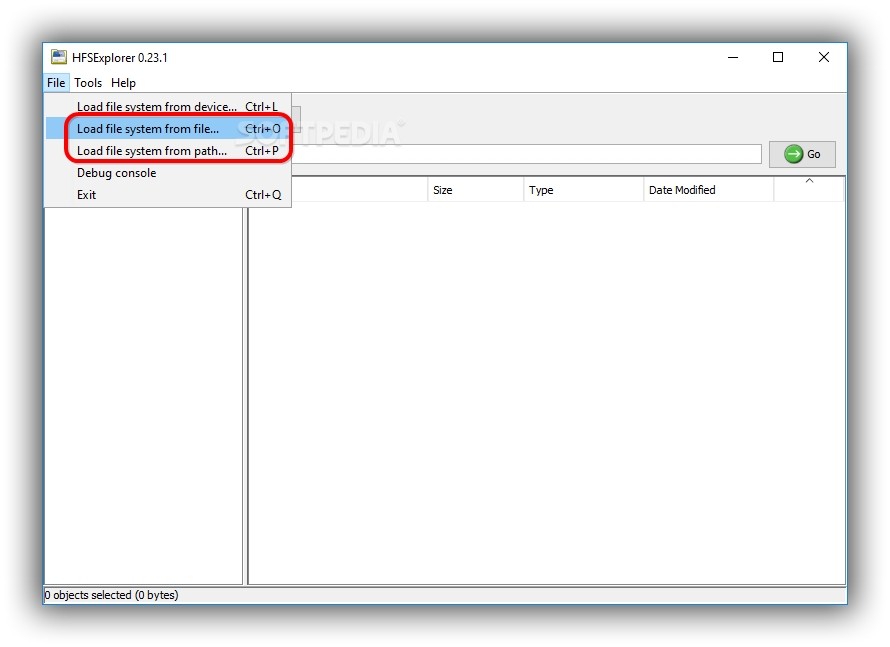
7-Zip works in Windows 10 / 8 / 7 / Vista / XP / 2016 / 2012 / 2008 / 2003 / 2000 / NT. P7zip - the port of the command line version of 7-Zip to Linux/Posix. On 7-Zip's SourceForge Page you can find a forum, bug reports, and feature request systems. The product opens and concentrates the DMG content into a good Windows document group, for example, PDF, word, txt, Html and the whole large number of Windows record positions. The product will take a shot at any Windows XP, Vista, Windows 7 or Windows 8 PC, in 32 or 64-piece mode. Aug 25, 2018 How to: Open a DMG File in Windows If the issue is with your Computer or a Laptop you should try using Reimage Plus which can scan the repositories and replace corrupt and missing files. This works in most cases, where the issue is originated due to a system corruption. Dec 13, 2019 Using AnyToISO. Download and install your converter of choice. Right click the DMG file and select ‘Convert to iso’. The filename will depend on what your DMG file is called. Tell the program where to store the ISO and select Start. Allow the program to convert the file. It can take as little as 10.
Several applications are designed to offer this solution for Windows systems. 7-Zip and DMG Extractor are the best options to open DMG file on Windows because they are compatible with the most DMG variations. For Linux a built-in 'cdrecord' command can be issued to burn DMG files to CD's or DVD's. Aside from the Finder application, you can open. Opening a file is a must if you want to get any work done, and opening a file in any application in Windows XP is a cinch. If you figure out how to open files in one application in Windows XP, you can open files in any application. So check out the following steps so that you can easily open files in any application in Windows XP. By default, Windows Xp/Vista/7 cannot open dmg files. However, with the use of MacDrive, you can open and mount.dmg files in Windows XP, Vista and Windows 7. Mac Drive can also be used to have write access to HFS+ partitions, which is not currently implemented in BootCamp. It can also burn Mac DVDs and CDs with ease.
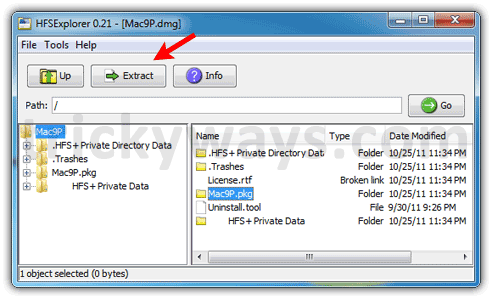
You can use TransMac. This software allows you to mount .dmgfiles within Windows XP and burn to cd/dvd.
Here is the link to their website:http://www.asy.com/scrtm.htm
-- Monty msen201 hotmail com
TransMac seems to have problems with burning double layer DVDs.If you're not satisfied with that, or would like to use NEROinstead anyway, then I'm almost sure, that the expanded dmg file isin fact identical with an iso image. So expand the file, and renameit to iso, and use another burner to burn the bastard!!!!!! :)
I in fact used ultraiso to convert the dmg to iso (to expandit), but the resulting file is exactly the same size that ofcreated by transmac. moreover, transmac calls expanding as'converting to iso'.
Install Dmg On Windows
So, try at your own risk, but i think that would work.
How To Open Dmg File In Windows
Method 2: There is a simple freeware app called DMG2ISOthat does the same thing in an easy way. Just right click an openthe DMG file with this utility. You will find the converted ISO inthe same page.